
By Shyamal Kashyap
Introduction: More Than Wildlife
For generations, the people of Assam have lived in close relationship with wetlands. These landscapes are not merely places of extraordinary biodiversity; they are living systems that provide food, livelihoods, cultural identity, and traditional knowledge.
Across the region, communities depend on these dynamic water bodies — from vast riverine floodplains to ancient beels, marshes, and seasonal wetlands — for fishing, agriculture, livestock grazing, and collecting natural resources. The seasonal rise and fall of water, shaped by the Brahmaputra and its tributaries, has influenced an entire way of life, creating a relationship based on adaptation rather than control.
Traditional fishing practices developed from a deep understanding of wetland ecology. Local communities learned the movement of fish, the changing patterns of water, and the importance of maintaining healthy aquatic habitats. This knowledge was not written in books; it was built through generations of observation and experience.
Wetlands also support agriculture by receiving nutrient-rich sediments during seasonal floods. The natural movement of water spreads organic material across floodplains, renewing soil fertility and supporting agricultural production across the valleys.
However, the relationship between people and these water systems is changing. As populations grow and demands on natural resources increase, many wetlands face pressures that threaten both wildlife and human communities. The decline of these ecosystems can reduce native fish populations, increase environmental risks, and directly affect the livelihoods of people who have depended on these waters for generations.
Protecting wetlands is therefore not only a conservation issue. It is about protecting the future of Assam’s ecological and human landscape.
The Ancient Wetlands of Assam
The wetlands of Assam are shaped by the powerful forces of rivers and monsoon. For thousands of years, the Brahmaputra and its tributaries have created a constantly changing landscape of channels, islands, floodplains, and water bodies.
Among these are the famous beels — natural wetlands formed through the movement of rivers across the floodplain. Some remain filled with water throughout the year, while others expand during the monsoon and transform into vast aquatic landscapes before slowly shrinking in the dry season.
These wetlands are not isolated patches of water. They are connected parts of a larger ecological network. Seasonal flooding brings nutrients, creates breeding grounds for fish, and renews the productivity of the landscape.
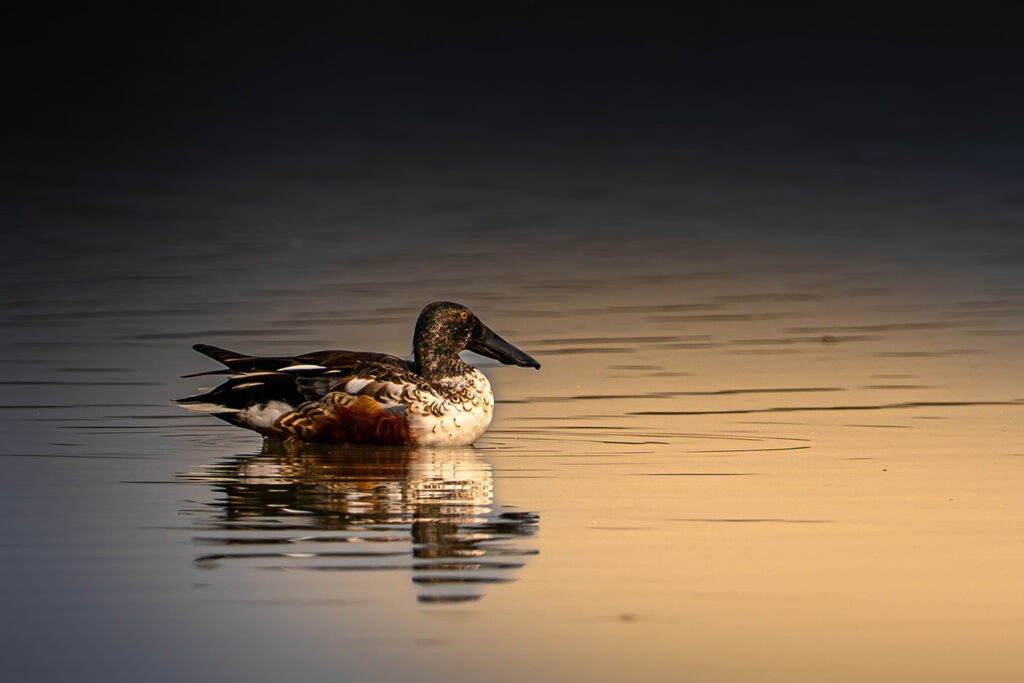
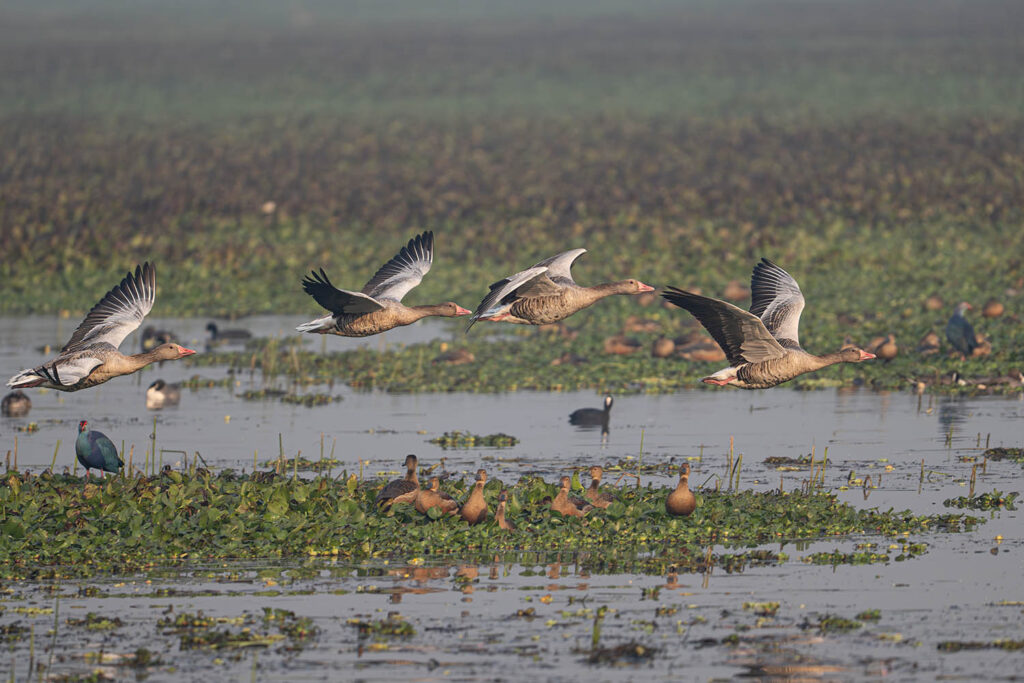
Across Assam, wetlands represent some of the most important ecological habitats, supporting diverse aquatic life and providing essential feeding and resting grounds for migratory birds. These water bodies form critical links within the larger landscape, sustaining biodiversity and maintaining the natural balance of the region.
Across Assam, countless smaller wetlands also play equally important roles, even though many remain unnoticed. Each one contributes to the survival of species and the balance of the wider landscape.
Nature’s Invisible Services
Assam’s wetlands perform some of the most valuable ecological functions on the planet, often without recognition.
They act as natural water regulators. During intense monsoon rainfall, these lowland ecosystems absorb and store excess water, reducing the speed and impact of floods. They release water gradually, helping maintain river systems during drier periods.
In a region where seasonal floods are a natural part of life, wetlands play an important role in maintaining the balance between water abundance and scarcity.
They are also natural filtration systems. Wetland vegetation and sediments trap pollutants, absorb excess nutrients, and improve water quality. This natural process creates healthier aquatic environments for wildlife and communities.
Another crucial role is climate regulation. Wetland vegetation and waterlogged soils store significant amounts of carbon. When these ecosystems remain healthy, they help reduce carbon release into the atmosphere and contribute to climate resilience.
The value of wetlands cannot be measured only by the number of species they contain. Their true importance lies in the countless ecological services they provide every day.
A Universe Hidden Beneath the Surface
Although wetlands may appear calm and silent, they support a complex world of life.
Aquatic plants create shelter for fish, insects, and microscopic organisms. These small forms of life become the foundation of a food web that supports larger animals, from waterbirds to predators.
Fish are among the most important inhabitants of Assam’s wetlands. Many species depend on shallow waters as breeding and nursery grounds, where young fish can grow before moving into larger river systems.
Amphibians, reptiles, and aquatic invertebrates also depend on these habitats. Their presence often reflects the ecological condition of a wetland because they are highly sensitive to environmental changes.
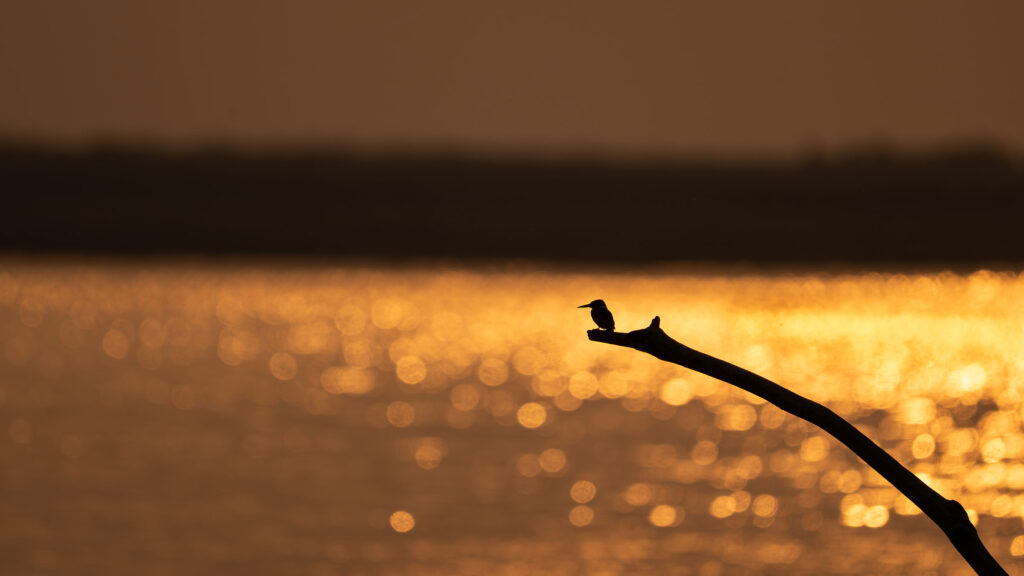
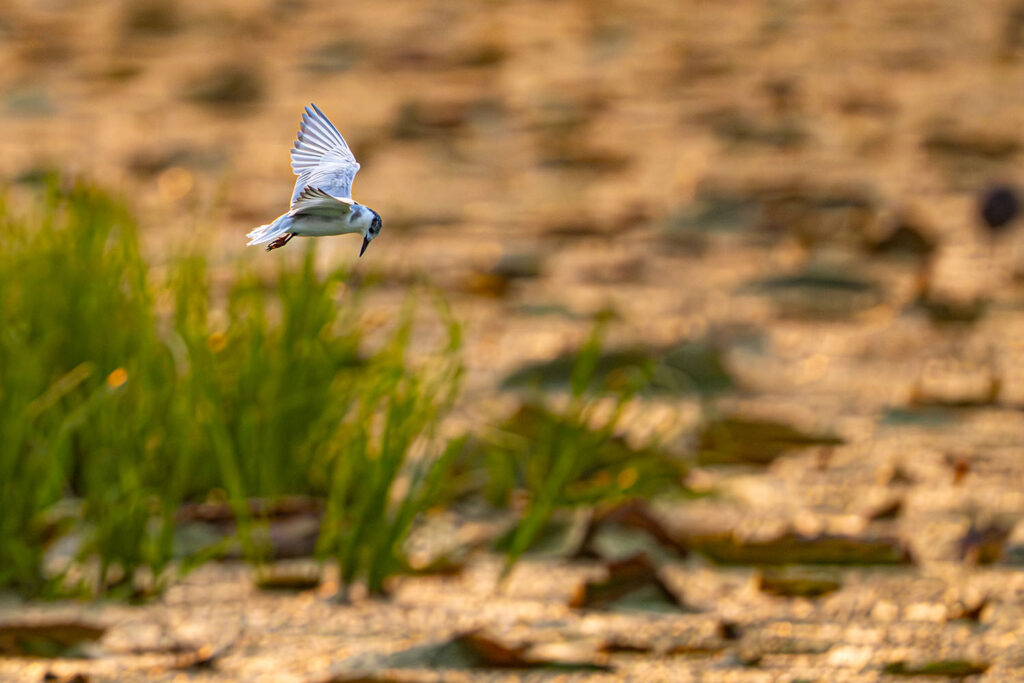
Above the water, wetlands become spectacular bird habitats. Herons search patiently in shallow waters, kingfishers dive beneath the surface, and winter migrants arrive after travelling thousands of kilometres across continents.
For these birds, wetlands are not simply resting places. They are essential survival stations.
The Changing Face of Assam’s Wetlands
Despite their immense importance, Assam’s wetlands are facing increasing pressure.
One of the greatest threats is habitat conversion. Wetlands are often wrongly considered unused land, leading to their transformation for agriculture, settlements, roads, and infrastructure.
Pollution is another growing challenge. Plastic waste, agricultural chemicals, sewage, and other pollutants enter water systems, affecting aquatic organisms and reducing water quality.
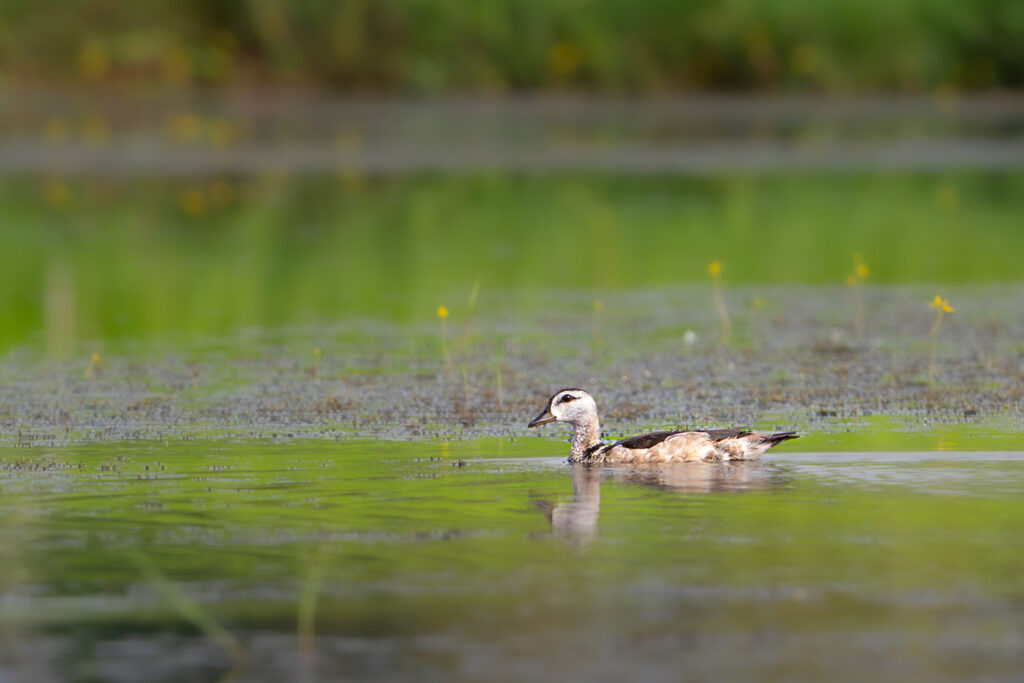
Invasive species have also changed many wetland habitats. The rapid spread of Water Hyacinth creates dense floating mats that block sunlight, reduce oxygen levels, and disturb natural aquatic processes.
Climate change adds another layer of uncertainty. Changing rainfall patterns, rising temperatures, and unpredictable floods can disturb the seasonal cycles that wetlands depend upon.
The disappearance of a wetland rarely happens suddenly. It is usually a gradual process where small disturbances accumulate until an ecosystem begins losing its ability to support life.
A water body that once echoed with bird calls and supported fishing communities can slowly become silent.
The Invisible Engineers of Wetlands
The true strength of a wetland is often hidden from human eyes. While large birds and mammals capture attention, the survival of these ecosystems depends on countless smaller organisms working quietly beneath the surface.
Aquatic plants are among the most important architects of wetland life. Their roots provide shelter for tiny aquatic creatures, their leaves create breeding spaces for insects, and their growth helps maintain the balance of the underwater environment.
Beneath the surface, a complex community of microorganisms, insects, and small aquatic animals forms the foundation of the food web. These tiny organisms provide essential energy for fish, amphibians, and birds, connecting every layer of life within the wetland.
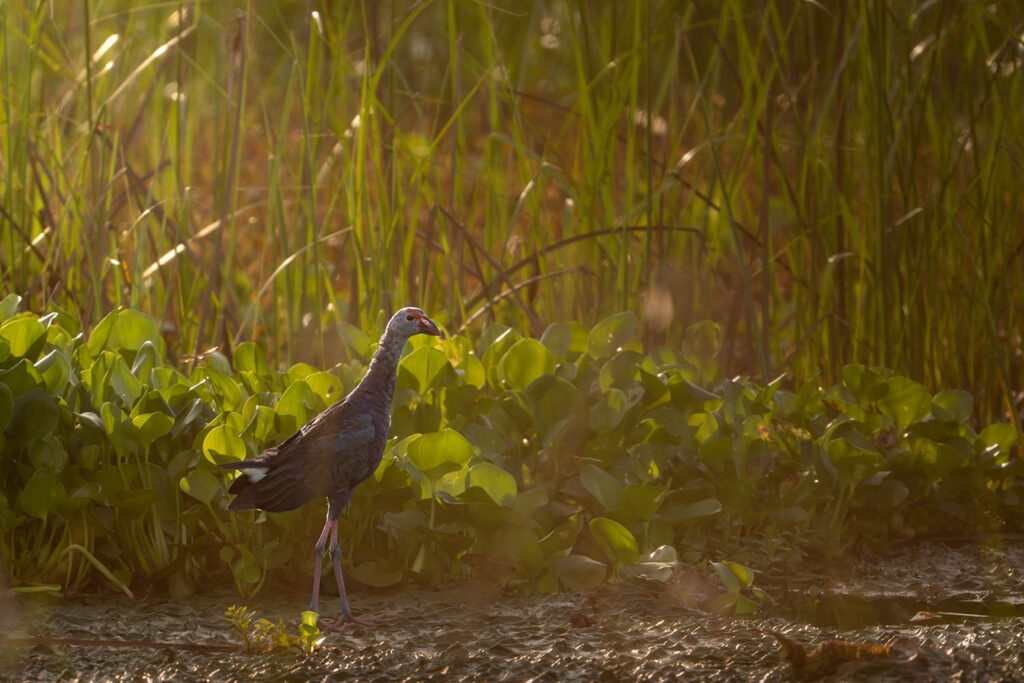
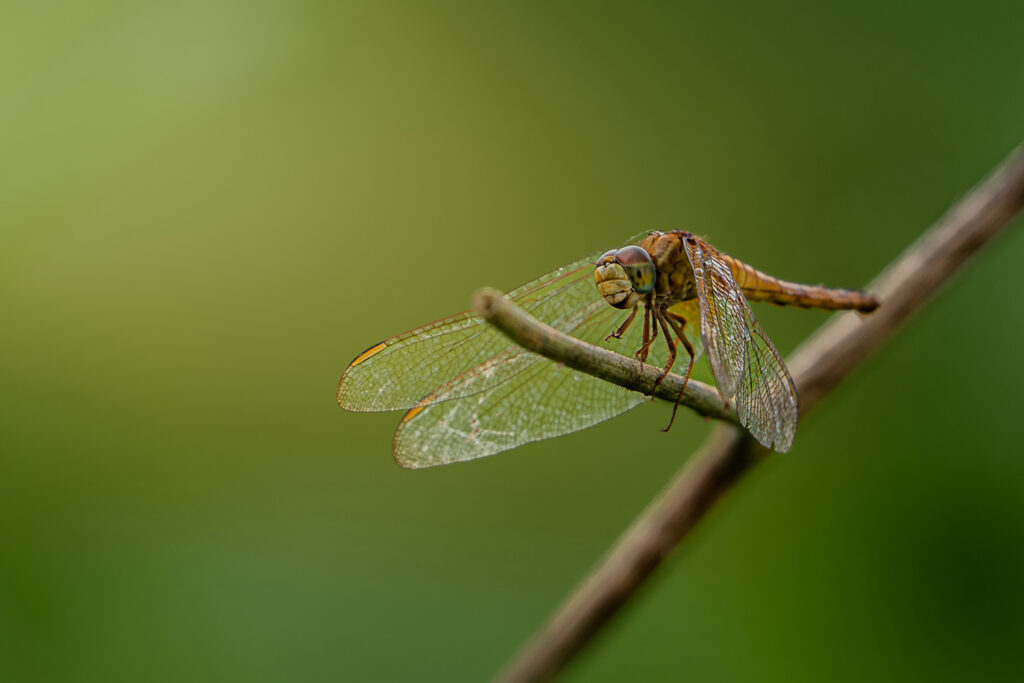
Dragonflies and damselflies are among the most visible signs of a healthy wetland. Their larvae spend much of their lives underwater, where they act as predators of smaller aquatic organisms. Later, they emerge as flying hunters, controlling insect populations around the water’s edge.
Fish also play a central role in maintaining wetland balance. Native fish species support local communities while also providing food for many birds and aquatic predators. Their survival depends on clean water, healthy vegetation, and natural seasonal cycles.
Even the muddy edges of wetlands hold important stories. Small tracks, feeding marks, and movements in the soil reveal the presence of countless creatures that remain unseen.
A healthy wetland is not defined only by the animals that are easy to photograph. Its true richness lies in the hidden relationships between plants, insects, fish, birds, and microorganisms.
Protecting wetlands means protecting this invisible network of life that keeps the entire ecosystem functioning.
Protecting the Blue-Green Future
The conservation of Assam’s wetlands requires a balance between protecting nature and supporting human needs.
The first step is recognising these landscapes as essential living ecosystems, not vacant areas waiting for development.
Scientific research, biodiversity surveys, and long-term monitoring help understand changes in wetland health and guide effective conservation actions.
Restoration can also bring damaged wetlands back to life. Removing invasive plants, reducing pollution, reconnecting blocked water channels, and allowing natural flood cycles to continue can help degraded habitats recover.
But conservation cannot succeed without local communities.
The people living around wetlands possess valuable ecological knowledge. Their participation is essential because they understand seasonal changes, traditional practices, and the challenges faced on the ground.
Successful conservation happens when communities become partners in protecting nature.
The Guardians of the Wetlands
Every wetland has its guardians.
They may be traditional fishermen who understand the rhythm of the water, farmers who protect floodplain landscapes, researchers documenting biodiversity, photographers sharing stories through images, or young people discovering the importance of nature.
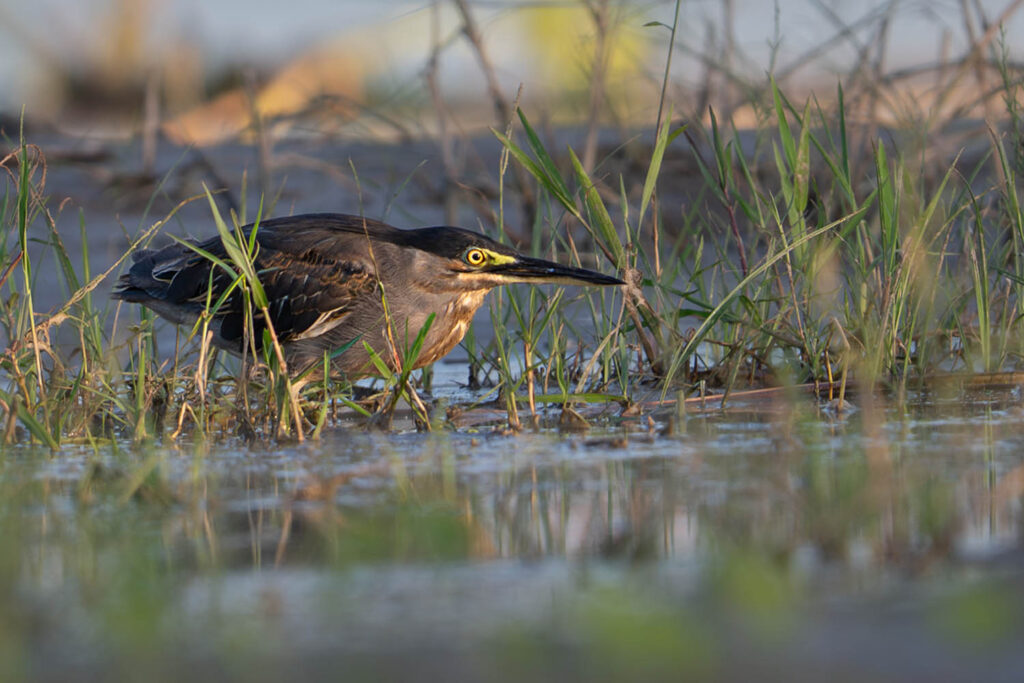
Citizen scientists are increasingly contributing valuable information by recording birds, documenting species, and monitoring environmental changes.
Photography and storytelling also have an important role. A photograph of a rare species, a floodplain sunrise, or a community protecting nature can connect people with landscapes they may never visit. Conservation begins with connection. People protect what they understand and value
A Future Written in Water
The wetlands of Assam are more than landscapes filled with water. They are living systems connecting rivers, forests, wildlife, and human lives.
They carry the memory of ancient floods, support remarkable journeys across continents, and sustain communities that have lived alongside them for centuries.
Their future depends on decisions made today.
If protected, these wetlands can continue supporting biodiversity, reducing environmental risks, and providing resources for future generations. If ignored, the loss will extend far beyond disappearing water bodies — it will affect the ecological balance of the entire region.
The quiet waters of a floodplain may appear fragile, but within them exists extraordinary resilience.
Every bird that returns, every fish that survives, and every footprint left on a muddy bank is part of a larger story — a story of life adapting and continuing.
Protecting these wetlands means protecting that story.
Because when we save these landscapes, we do not only save water.
We save the living world that depends on it.