
By Shyamal Kashyap
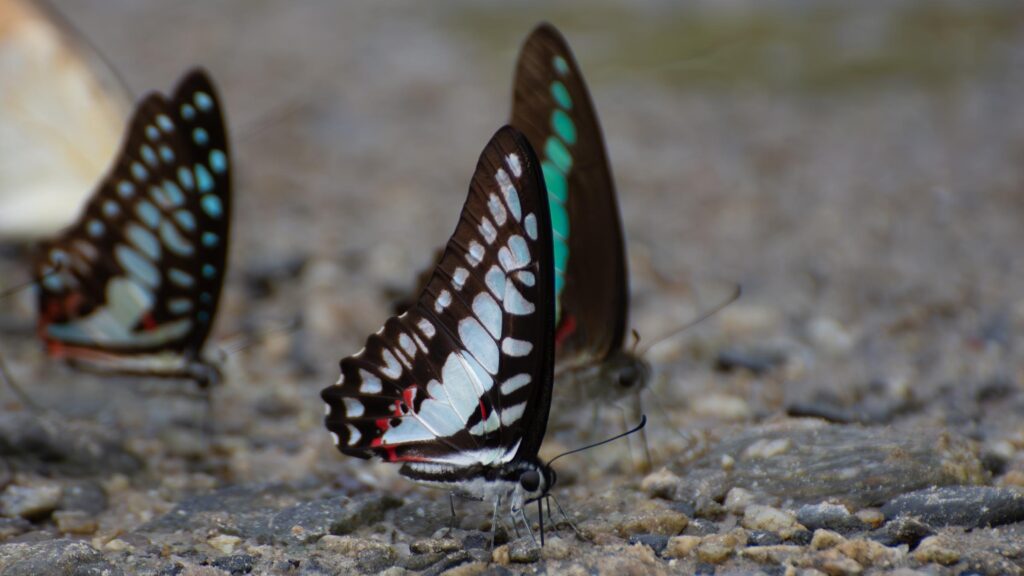
Among all the creatures that share our planet, few capture the human imagination like butterflies. Their colourful wings, graceful movements, and extraordinary transformation from a tiny caterpillar into a flying insect have fascinated people for generations. They are often seen as symbols of beauty, change, and freedom.
But butterflies are much more than beautiful insects drifting through gardens and forests. In the floodplains, forests, and riverine landscapes of Assam, they are important contributors to the natural world. Shaped by the mighty Brahmaputra and influenced by the meeting of Himalayan, Indo-Burmese, and tropical ecosystems, this region supports a remarkable diversity of butterflies that contribute to plant diversity, food chains, and the overall health of ecosystems.
Behind their delicate appearance is a story of remarkable adaptation and survival. Over millions of years, butterflies have developed complex relationships with plants, climate, and other species. Yet today, these fragile creatures face increasing challenges. Habitat loss, climate change, pollution, and changing land-use practices are placing growing pressure on butterfly populations across Assam.
The decline of butterflies is not only the loss of a colourful part of nature. It is a warning that the ecological connections supporting life across the Brahmaputra basin are under increasing pressure.
A Remarkable Journey of Transformation
The life of a butterfly is one of nature’s most extraordinary examples of change.
It begins as a tiny egg, carefully placed by a female butterfly on a suitable host plant. This decision is crucial because the newly emerged caterpillar will depend entirely on that plant for survival. Across the forests and natural landscapes of Assam, different butterfly species rely on specific native plants, creating intricate relationships that have evolved over countless generations. These connections between butterflies and plants form the foundation of their survival and help maintain the delicate balance of the ecosystem.
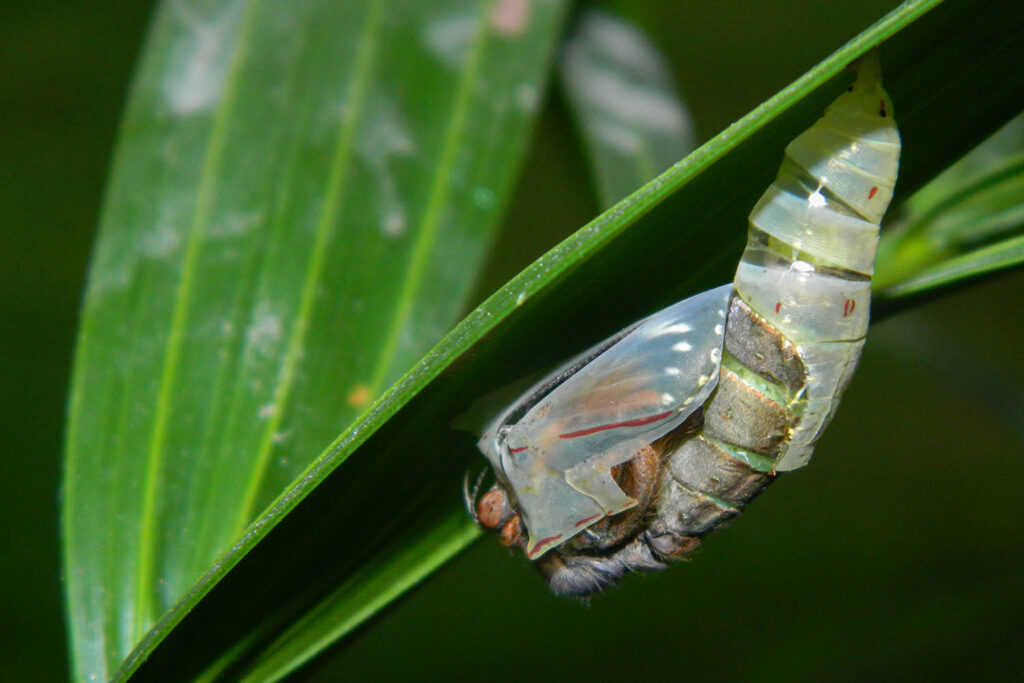
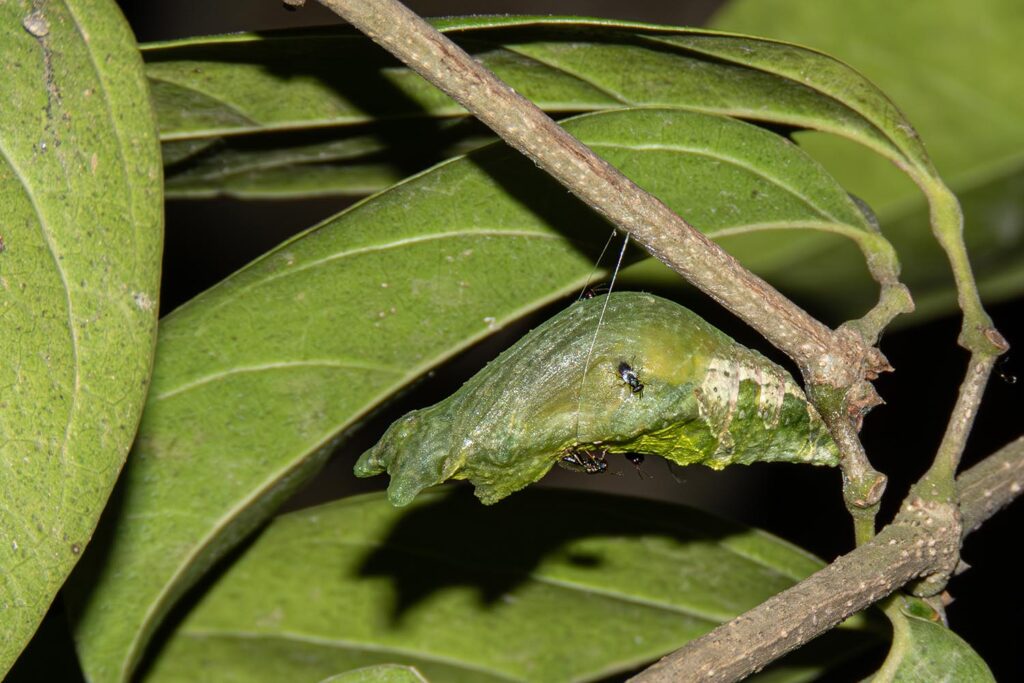
The caterpillar stage is a period of intense growth. Spending its days feeding on leaves, it gathers the energy required for the remarkable transformation ahead. When the caterpillar reaches maturity, it enters the pupal stage. Inside the protective chrysalis, a complex biological process begins, completely reorganising its body and creating wings, new organs, and the features of an adult butterfly.
This process, known as metamorphosis, is one of nature’s greatest achievements.
The adult butterfly that emerges enters a new world. No longer a leaf-eating caterpillar, it becomes a nectar feeder, a pollinator, and a participant in the continuation of its species.
The Hidden Role of Butterflies in Ecosystems
The importance of butterflies extends far beyond their beauty.
As butterflies move between flowers while feeding on nectar, they help transfer pollen from one plant to another. Although they are not the only pollinators, they contribute significantly to the reproduction of many flowering plants across forests, grasslands, and fragmented habitats.
This relationship supports a wider network of biodiversity. Healthy plant communities provide food and shelter for countless insects, birds, reptiles, and mammals.
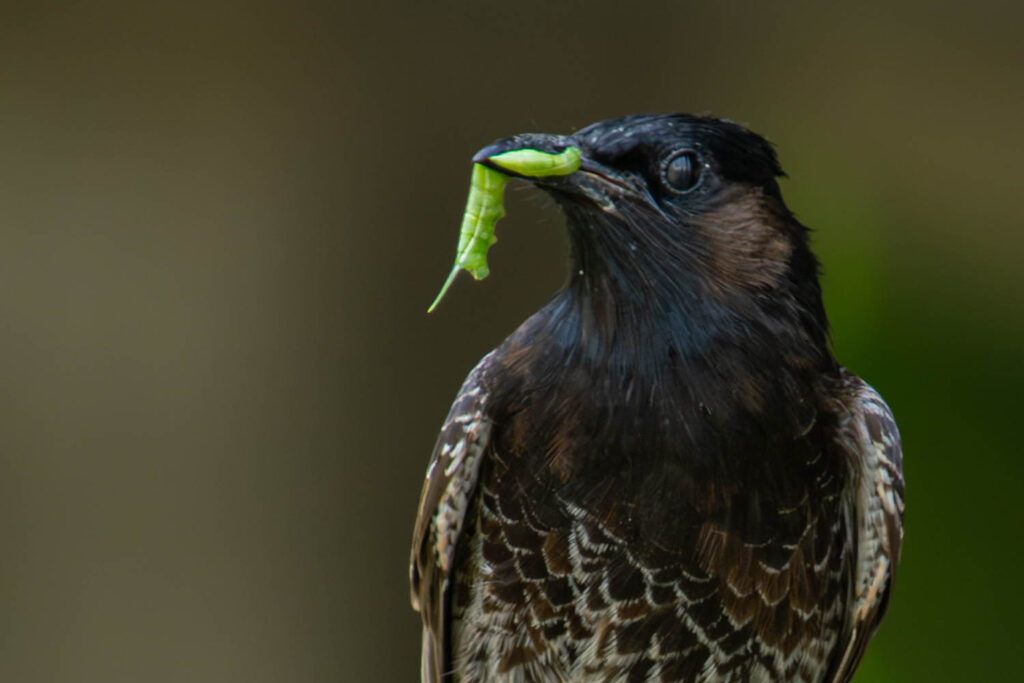
Butterflies also form an important link in the food chain. Their caterpillars are an essential food source for many forest birds, particularly during the breeding season when adult birds require protein-rich food for their chicks.
The survival of butterflies is therefore connected to the survival of many other species.
The Riverbanks Alive with Colour
One of the most fascinating butterfly behaviours can be witnessed along the moist sandy banks of Assam’s rivers.
During mud-puddling, groups of butterflies gather on damp soil, sand, or river edges to absorb essential minerals, particularly sodium, which is often limited in their normal diet. Swallowtails, Whites, Yellows, and many other species may gather together in colourful clusters, creating one of the most remarkable sights in the natural world.
These gatherings reveal the complex relationships between insects, soil, water, and the wider riverine ecosystem.
A quiet riverbank becomes a place of interaction, where tiny creatures reveal the hidden processes that keep nature functioning.
Butterflies as Indicators of Environmental Health
One of the most valuable qualities of butterflies is their sensitivity to environmental changes.
Many butterfly species depend on specific plants, temperatures, and seasonal patterns. Because of this close connection with their surroundings, they respond quickly when ecosystems are disturbed.
Scientists and conservationists often study butterflies as indicators of environmental health. A diverse butterfly population usually suggests that an area contains healthy vegetation, suitable habitats, and balanced ecological conditions.
A decline in butterfly diversity can reveal deeper problems — habitat destruction, pollution, pesticide exposure, or climate-related changes.
Butterflies are silent observers of the natural world. Their numbers tell a story about the condition of the environment around them.
Assam’s Extraordinary Butterfly Diversity
Assam is one of India’s most important regions for butterfly diversity. Located at the meeting point of several biological regions, the state supports a unique combination of species influenced by the Himalayas, Southeast Asia, and tropical ecosystems.
Across forests, wetlands, grasslands, and agricultural landscapes, butterflies display an extraordinary variety of colours, patterns, and behaviours.
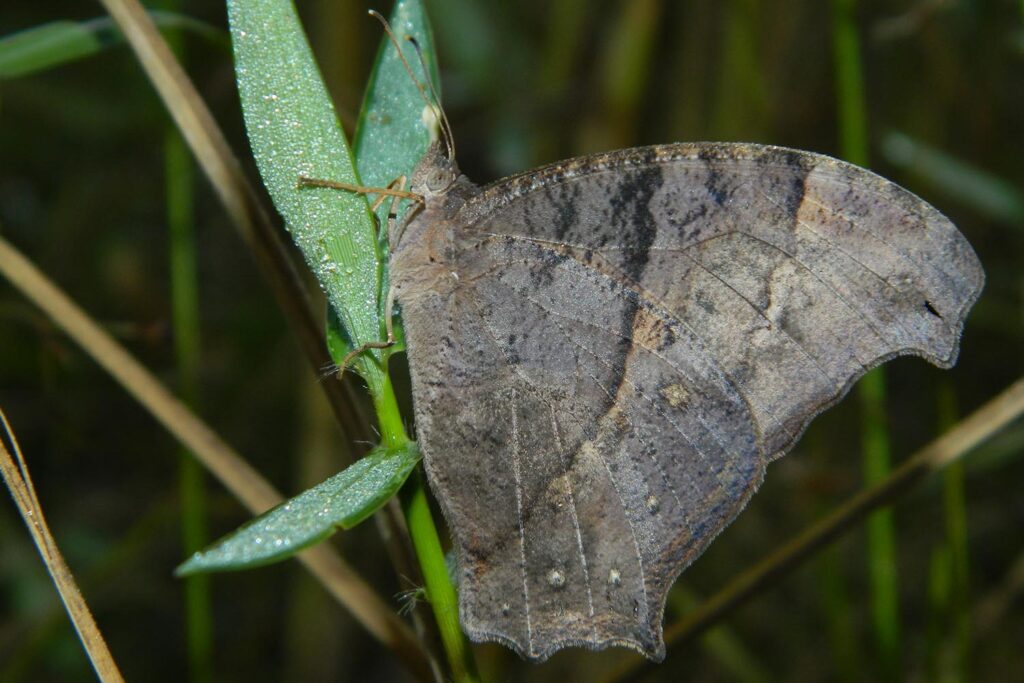
Some species use bright colours to attract mates, while others have intricate patterns on the underside of their wings that allow them to disappear among dry leaves and vegetation. Some rely on camouflage, while others mimic species that predators avoid.
Their wings are not simply displays of beauty. They are tools shaped by millions of years of evolution.
Every butterfly species represents a unique survival story.
The Changing Landscape and the Loss of Habitat
The greatest threat facing butterflies is the disappearance and fragmentation of natural habitats.
In Assam, one of the major challenges is the changing relationship between natural forests and surrounding agricultural landscapes, including commercial tea-growing areas.
As forests are cleared or modified, butterfly habitats become fragmented. Many species move between different landscapes and do not recognise human-made boundaries. When they enter agricultural areas, intensive pesticide use and the removal of natural vegetation can reduce the availability of important larval host plants.
The loss of native shrubs, vines, and wild plants can break the ecological connections that butterflies depend upon throughout their life cycle.
Protecting butterflies therefore requires protecting the entire habitat that supports them.
Climate Change and the Changing Rhythm of Nature
The life cycle of butterflies is closely connected with seasonal patterns.
In the Brahmaputra basin, the rhythm of nature is shaped by the changing seasons — from the warmth of the pre-monsoon period to the heavy rains of the monsoon and the renewed growth that follows.
Climate change is disturbing this delicate timing.
Unpredictable rainfall, rising temperatures, and extreme weather events can affect when plants grow, when butterflies emerge, and when breeding takes place.
A small change in timing can create a serious challenge. A caterpillar may hatch when its food plant is unavailable, or an adult butterfly may emerge when flowering resources are limited.
The natural calendar that has guided these species for generations is becoming increasingly uncertain.
The Forgotten Importance of Wild Plants
The decline of butterflies is closely connected with our changing relationship with vegetation.
Across rural landscapes, roadside areas, and village surroundings, native wild plants are often considered unwanted growth and removed during cleaning activities.
But these so-called weeds often play an important ecological role.
Many caterpillars depend on these native plants for survival. By removing them, we may unintentionally remove the foundation of butterfly populations.
Conservation requires a change in perspective — recognising that untidy patches of natural vegetation can be valuable habitats supporting complex communities of life.
Sometimes, allowing nature to grow is one of the simplest forms of conservation.
Photography as a Tool for Conservation
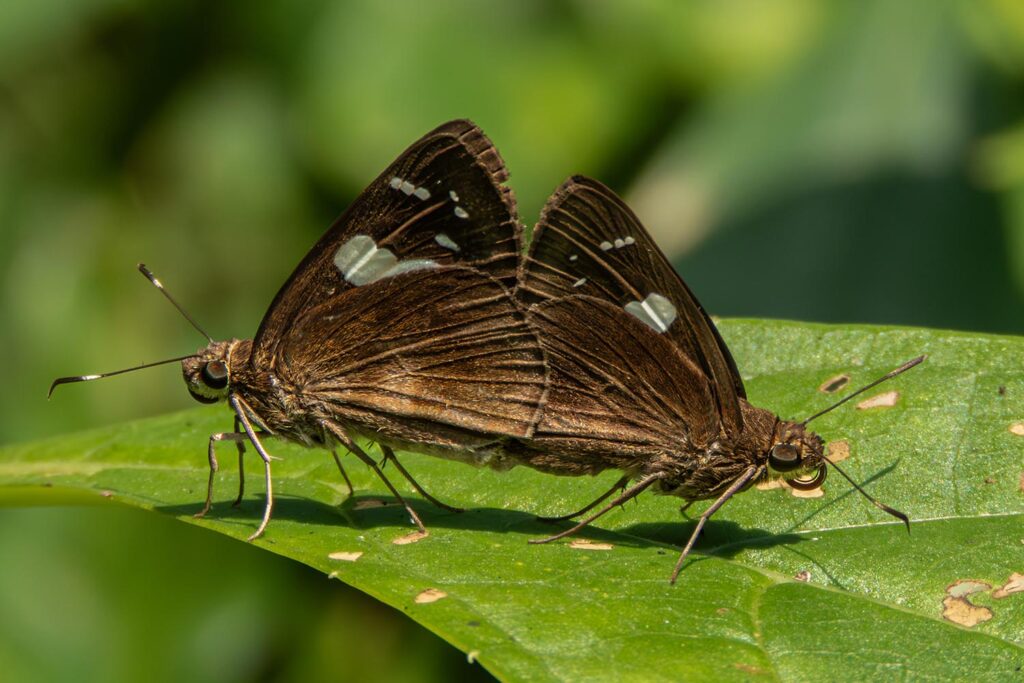
In a rapidly changing world, wildlife photography has become more than a way to capture beauty.
A photograph of a butterfly on its host plant, recorded at a specific location and time, becomes a valuable ecological record. These images document the presence of species, their habitats, and the changes taking place within landscapes.
For conservationists and researchers, visual documentation can help build a better understanding of biodiversity and provide evidence of environmental change.
The camera can become a tool not only for observation, but also for protecting the natural world.
A Future Written on Fragile Wings
Butterflies remind us that some of nature’s most important stories are found in the smallest creatures.
They exist in the quiet moments — a caterpillar feeding on a native plant, a group of butterflies gathering on a riverbank, or a colourful wing resting on a wildflower.
Their lives may be brief, but their ecological importance is immense.
The future of butterflies is closely connected with the future of Assam’s natural landscapes. When we protect butterflies, we protect the plants, birds, insects, and ecosystems that depend on the same fragile connections.
A world without butterflies would not only be less colourful. It would be biologically poorer.
Their wings may appear delicate, but the message they carry across Assam’s landscapes is powerful:
Nature survives through connections, and every species has a role in keeping those connections alive.